 Know-How
9 Effective Jet Lag Tips for Smooth Travel Transitions
Here are several practical strategies to minimize jet lag and help you adjust more smoothly to a new time zone.
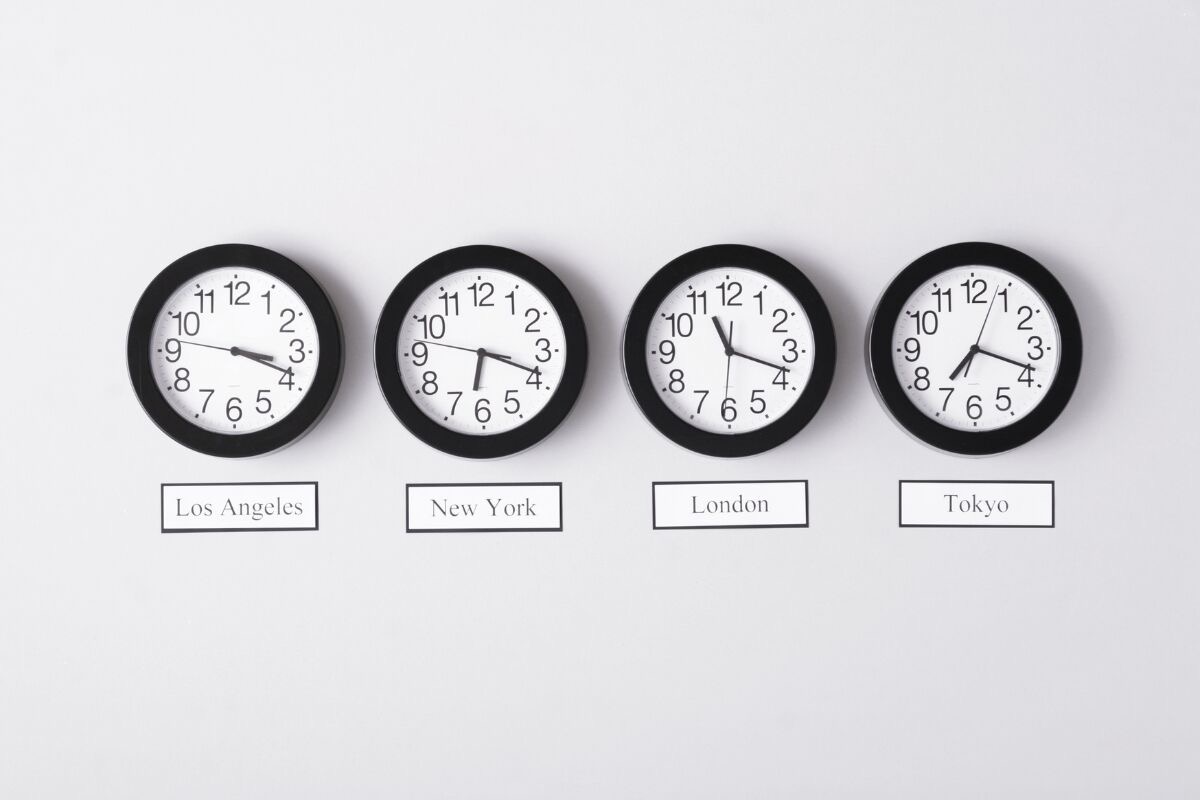
Jet lag is an all-too-familiar struggle for anyone crossing multiple time zones.
Whether you're traveling for business or leisure, the body’s internal clock (circadian rhythm) can be thrown off, leaving you feeling groggy, disoriented, or even nauseous.
Luckily, there are several practical strategies to minimize jet lag and help you adjust more smoothly to a new time zone:
1. Adjust Your Sleep Schedule Pre-Travel
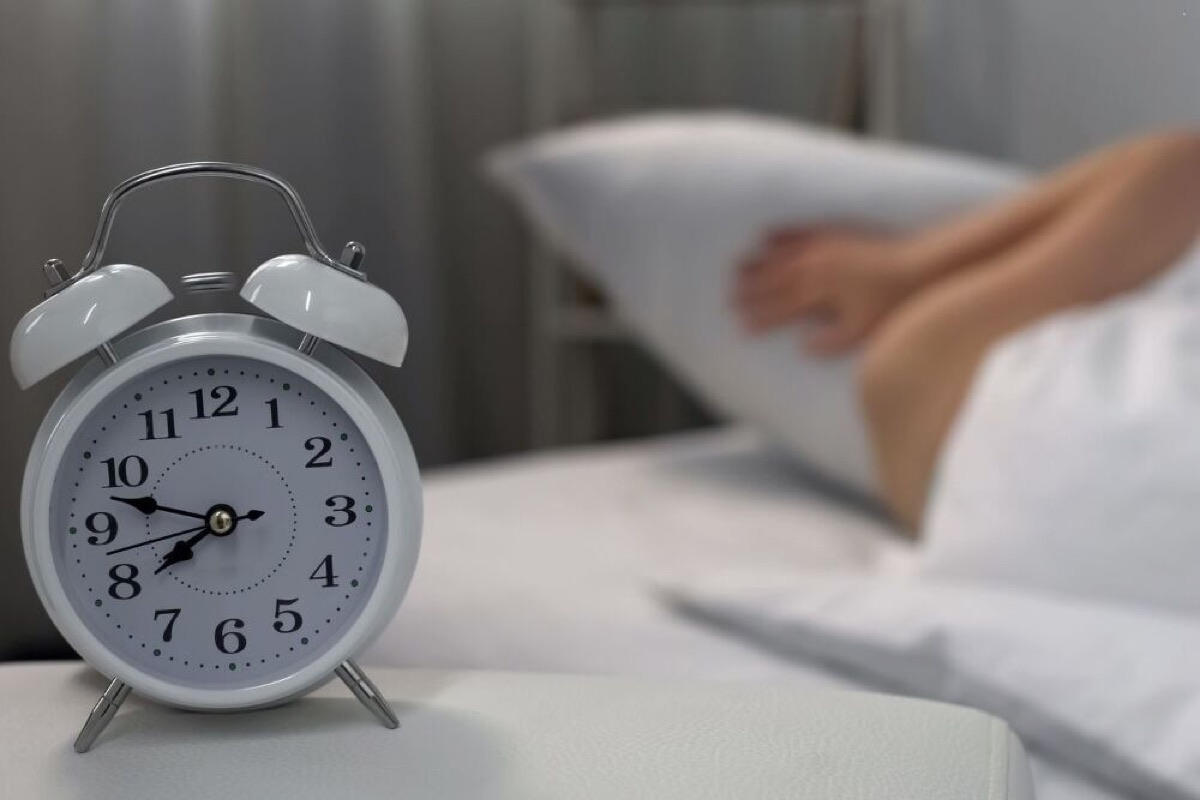
One of the most effective ways to reduce jet lag is to adjust your sleep schedule a few days before departure.
If you're traveling east, try going to bed earlier each night, while for westward travel, gradually go to bed later. Shifting your schedule by even an hour or two can make a difference when you arrive.
Tip: Use apps like Sleep Cycle to monitor your sleep and help adjust your schedule gradually.

2. Stay Hydrated
Dehydration is a common issue when flying, and it can worsen the effects of jet lag. The air inside planes tends to be very dry, leading to dehydration, fatigue, and headaches.
To counteract this, drink plenty of water before, during, and after your flight. Avoid caffeinated and alcoholic drinks, which can dehydrate you further and disrupt sleep patterns.
Tip: Carry a reusable water bottle and refill it at the airport or request water frequently during the flight.
3. Sync Your Routine to the New Time Zone
As soon as you board your flight, start adjusting your mindset to the destination time zone. Change the time on your phone and watch to match your destination and plan your activities accordingly.
For example, if it's nighttime where you're heading, try to sleep on the plane; if it's daytime, keep yourself awake.
Tip: Bring an eye mask and earplugs for in-flight sleep. Noise-canceling headphones can also help you rest.
4. Get Sunlight Exposure
Once you arrive, sunlight becomes your best ally. Natural light helps regulate your internal clock and reduce jet lag symptoms.
Spend time outside during daylight hours to help your body adjust to the new time zone.
Tip: If it's hard to get enough sunlight due to travel schedules or weather, light therapy lamps can mimic sunlight and aid in resetting your circadian rhythm.
5. Plan Your Meals Wisely
Eating on your new time zone schedule can help your body adjust. Try to avoid eating heavy meals late at night, as it can disrupt your sleep.
If you’re arriving in the morning, opt for a light breakfast to ease into the new routine.
Tip: Avoid snacks high in sugar and carbohydrates close to bedtime, as they can cause blood sugar spikes that interfere with sleep.

6. Use Sleep Aids Cautiously
While some travelers turn to sleep aids like melatonin or over-the-counter sleep medications, it’s essential to use these cautiously.
Melatonin can help reset your body’s internal clock, but it's best used in moderation, typically an hour before bedtime at your destination.
Avoid relying on stronger sleep aids, which may leave you groggy and worsen the adjustment process.
Tip: Consult with a doctor before using any sleep supplements, especially if you have pre-existing health conditions or are on other medications.
7. Take Short Naps (Strategically)
If you're feeling extremely fatigued upon arrival, a short nap can help recharge you without interfering with your nighttime sleep.
Aim for a power nap of 20-30 minutes in the early afternoon if necessary. Avoid long naps that could disrupt your adjustment to the local schedule.
Tip: Set an alarm to ensure your nap doesn't extend beyond 30 minutes, and pair it with exposure to sunlight afterward to help re-energize.

8. Keep Moving
Exercise is an excellent way to combat jet lag. Engaging in light physical activity like stretching, yoga, or walking can increase your energy levels and improve your mood.
Upon arrival, taking a walk outdoors in daylight is particularly beneficial, as it gets you moving and exposes you to natural light.
Tip: If you’re too tired for intense exercise, even light stretching or a gentle stroll can help you feel more awake and relaxed.

9. Stay Positive and Patient
Finally, it’s important to stay patient with yourself and your body. Jet lag can be a challenge, especially when crossing multiple time zones, but staying calm and focused on a healthy routine can speed up the adjustment process.
Be mindful of your body’s signals, and don’t push yourself too hard if you’re feeling out of sync.
Final Thoughts
Jet lag can be a frustrating part of long-distance travel, but with some preparation and self-care, you can significantly minimize its effects.
By adjusting your sleep schedule in advance, staying hydrated, getting sunlight, and following the other tips mentioned, you’ll be well on your way to a smooth transition into any time zone.
Do you have any jet lag advice? Please share your tips in the comments below.
Pin this post for later: