 Know-How
17 Surprising Laws & Regulations Travelers Might Break Without Knowing
Here are some lesser-known laws and regulations that tourists could unknowingly break when visiting different countries.

Mark from Wolters World takes travelers on a journey of understanding some lesser-known laws and regulations that tourists could unknowingly break when visiting different countries.
While it may seem like the rules are similar everywhere, many regions have unique regulations that travelers should be aware of to avoid fines or trouble.
Here are some examples:
1. No Ice Cream on the Streets of Florence
Florence, Italy, a hotspot for tourists, has introduced laws to manage the overwhelming number of visitors. Surprisingly, it's illegal to eat or drink on certain streets, including indulging in a quintessential Italian treat: gelato.

Due to concerns about over-tourism and congestion, travelers should enjoy their gelato inside the gelateria before continuing their exploration of the city.
2. No High Heels at the Acropolis, Athens
In Greece, tourists visiting historic sites like the Acropolis may be surprised to learn that high heels are banned.

The reason? High heels can chip the ancient marble, so visitors are required to wear more practical shoes when touring these important historical landmarks. This regulation applies to many ancient sites across Greece.
3. Traveling with Medication
One of the more serious laws that travelers need to be cautious about is traveling with prescription medication. Just because a medication is legal in one country doesn’t mean it’s allowed in another.

For example, in Japan, the possession of codeine is strictly prohibited, and even carrying certain painkillers could land travelers in serious trouble.
It's essential to check the local regulations on medications before traveling to avoid legal issues.
4. No Drones Allowed in Morocco
For travelers who enjoy documenting their trips with drone footage, be careful where you fly.

In Morocco, drones are banned, and even bringing drone parts into the country can get you into trouble at customs. Always verify the rules about drone usage before packing it for your trip.
5. Be Cautious About Vaping
Vaping is another modern trend that isn't universally accepted. Some countries have strict laws regarding vaping, especially when it involves any substances deemed illegal locally.

Possession of certain vapes can lead to serious consequences, so travelers should always check the regulations before vaping abroad.
6. Feeding the Pigeons in Venice is Fined
Feeding pigeons used to be a charming tourist activity in Venice's Piazza San Marco, but now it’s illegal. Travelers caught feeding the birds could be fined, as the city tries to reduce the number of pigeons to preserve its historical sites.

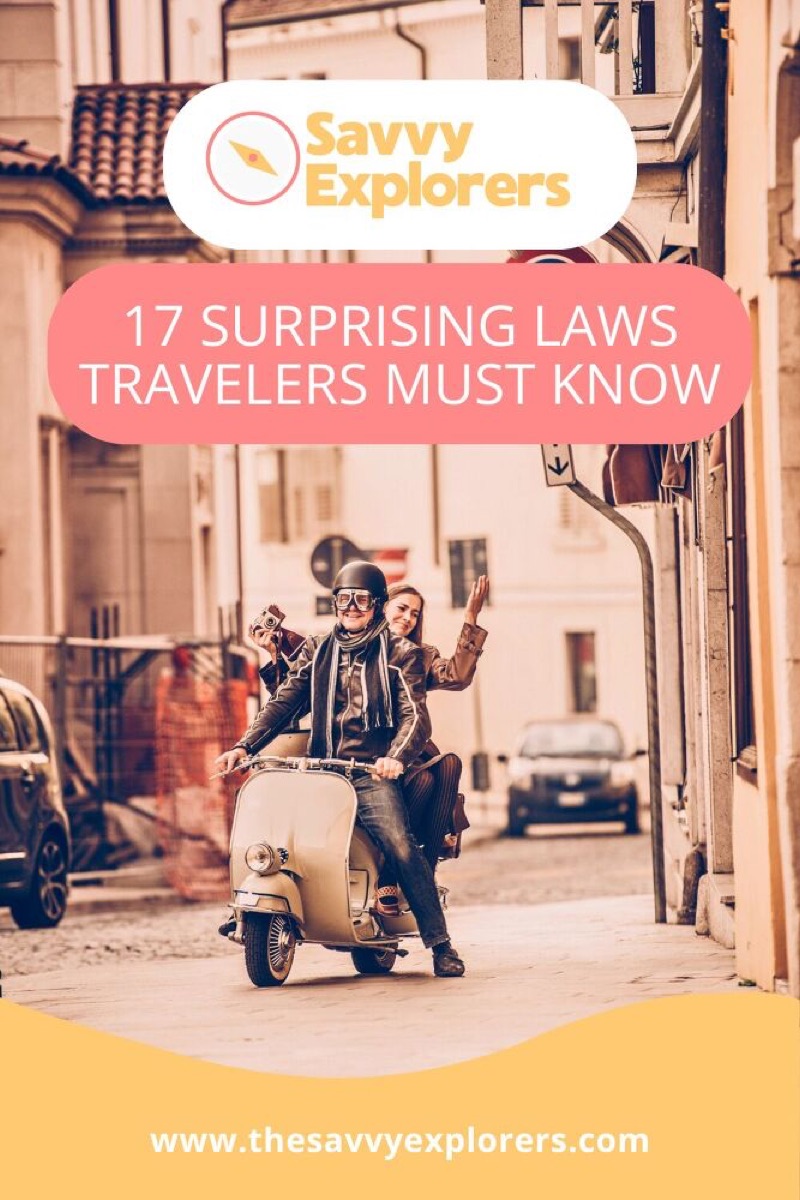
7. Helmets Are Required on Vespa Rentals in Italy
If you're planning to rent a Vespa in Italy, make sure to wear a helmet! Italian law requires all Vespa riders, including passengers, to wear helmets.

The Carabinieri (Italian police) strictly enforce this law, and tourists can face hefty fines for non-compliance.
8. National Park Regulations in the U.S.
When visiting national parks in the U.S., travelers should be aware of the strict rules regarding interaction with wildlife. For example, approaching animals like bison for a close-up photo is prohibited for safety reasons.

These regulations are in place to protect both visitors and the animals, so always follow the guidelines to avoid fines and injuries.
9. Social Media Posts Can Get You in Trouble
In some countries, what you post on social media can get you in trouble with the law. For instance, in Turkey, posting anti-government content while in the country can have legal consequences.

Similarly, defamation laws in certain regions may be more strictly enforced than in others, so it's important to be mindful of what you share online.
10. It’s Illegal to Buy Drugs Off the Street in Amsterdam
While Amsterdam is known for its more lenient drug policies, tourists should know that buying drugs off the street is illegal.
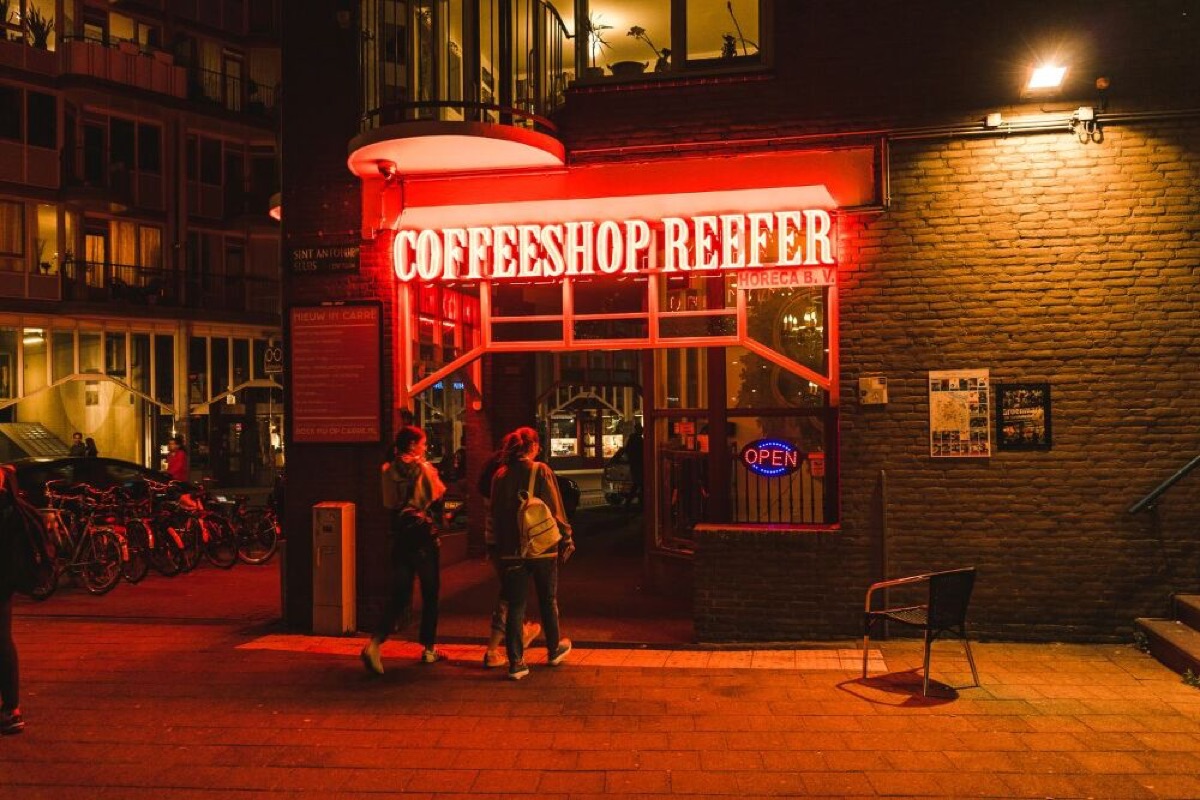
Only licensed coffee shops are allowed to sell cannabis products, so purchasing drugs from street dealers can lead to legal issues.
11. No Camouflage Clothing in the Caribbean
Fashion-conscious travelers should take note: in some Caribbean countries, wearing camouflage clothing is illegal.

The idea behind this law is that civilians could be mistaken for military personnel, which could lead to misunderstandings. To stay on the right side of the law, leave your camouflage gear at home.
12. No Public Displays of Affection in the UAE
The United Arab Emirates has strict laws regarding personal behavior, including a prohibition on public displays of affection.
Additionally, unmarried couples traveling together may need to book separate hotel rooms, as sex outside of marriage is illegal. While enforcement varies, it’s wise to be cautious.
13. Stay Out of the Fountains in Rome
On a hot day in Rome, it might seem tempting to take a dip in one of the city’s beautiful fountains, like the Trevi Fountain. However, this is illegal and could result in a fine.

The same applies to many fountains across Italy—no matter how hot it gets, resist the urge to cool off in the water.
14. Bikini Rules in Barcelona
When heading to the beach in Barcelona, be sure to cover up before leaving the sand. Wearing a bikini is perfectly fine on the beach, but once you head into the city, it’s illegal to walk around in beachwear.

Make sure to put on a shirt or other appropriate clothing when exploring Barcelona beyond the beach.
15. Photography Restrictions in Certain Countries
Some countries have strict rules about where you can and cannot take photos. For example, taking pictures of government buildings in Egypt or certain military locations can result in fines or legal trouble.

Always check local regulations to avoid accidentally breaking the law when capturing your travel memories.
16. No Chewing Gum in Singapore
Singapore is known for being an incredibly clean city, and one of the ways they maintain that cleanliness is by banning chewing gum.

Violating this law can lead to fines, so it’s best to avoid bringing or chewing gum during your visit to Singapore.
17. Watch Out for Jaywalking
In many places around the world, including the U.S., jaywalking (crossing the street outside designated areas) can result in fines.
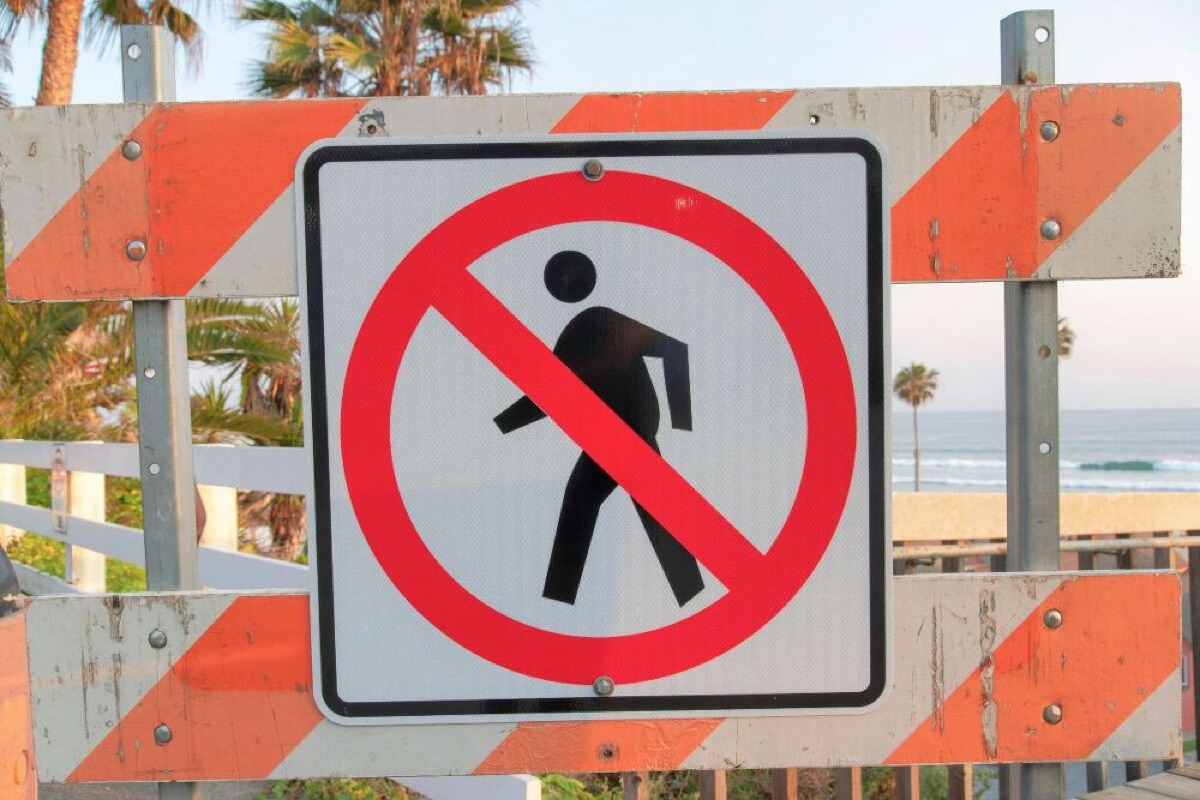
Even though it may seem harmless, crossing the street improperly can cost travelers a pretty penny, so always use crosswalks where they are available.
Traveling the world offers many exciting experiences, but it’s important to be aware of local laws and regulations to avoid getting into trouble.
Whether it’s something as simple as feeding the pigeons or more serious concerns like carrying medication, being informed can help make your trip smoother and stress-free.
Pin this post for later: