 At Sea
Cruise Travel Scams: How to Stay Safe on Your Voyage
Cruise travelers can often become easy targets for fraudsters and scammers, who continue to develop increasingly sophisticated schemes.

Cruise travelers can often become easy targets for fraudsters and scammers, who continue to develop increasingly sophisticated schemes. Even cruise lines themselves are warning passengers about common scams to help them stay safe.
This video by cruise expert Ilana from Life Well Cruised explores some of the most prevalent cruise travel scams and how passengers can avoid falling victim to them:

Common Cruise Port Scams
1. The Free Bracelet Scam
In popular cruise ports, particularly in Europe, scammers will approach tourists, quickly tie a bracelet on their wrist, and claim it is a "friendship bracelet." Despite being told it is free, the scammer will demand payment and may even become aggressive. The best way to avoid this scam is to firmly say "no" and walk away.
2. The Photo Scam
Scammers dressed as local characters or street performers may offer to take a photo with tourists, only to demand payment afterward. A more modern variation involves a local offering to take a picture for a small fee, then sending multiple images and demanding a significantly higher price. It is best to have a trusted travel companion take photos instead.
3. The Bait and Switch Scam
This scam targets shoppers in cruise ports who purchase items such as handbags or jewelry. After making a purchase, a distracted customer may receive a different, lower-quality item when it is packaged. To avoid this, always watch the merchant pack the purchased item and verify its authenticity before leaving the store.
4. The Fake Visa Website Scam
As travel requirements change, fraudulent visa websites are becoming more common. Scammers create fake government-looking websites and charge travelers excessive fees for visas or other travel documents. To ensure legitimacy, travelers should only apply for visas through official government websites.

Social Media and Online Cruise Scams
5. Facebook Romance Scams
Cruise-related Facebook groups have become breeding grounds for scammers posing as friendly travelers. These individuals often initiate conversations, then attempt to befriend victims before eventually asking for money. Travelers should be cautious of unsolicited messages from strangers.
6. The Cruise Duck Scam
Cruise-themed Facebook groups sometimes feature scammers pretending to give away cruise-related items, such as "cruise ducks." They ask recipients to pay for shipping but never send the promised items. It is best to avoid engaging in transactions with strangers online.
7. Fake Cruise Resale Offers
Some scammers attempt to resell cruises at heavily discounted rates. Virgin Voyages recently issued a warning about this scam, emphasizing that cruise bookings cannot be resold privately. Travelers should only book cruises through the official cruise line or a reputable travel agency.
Taxi and Transportation Scams
8. The Unmetered Taxi Scam
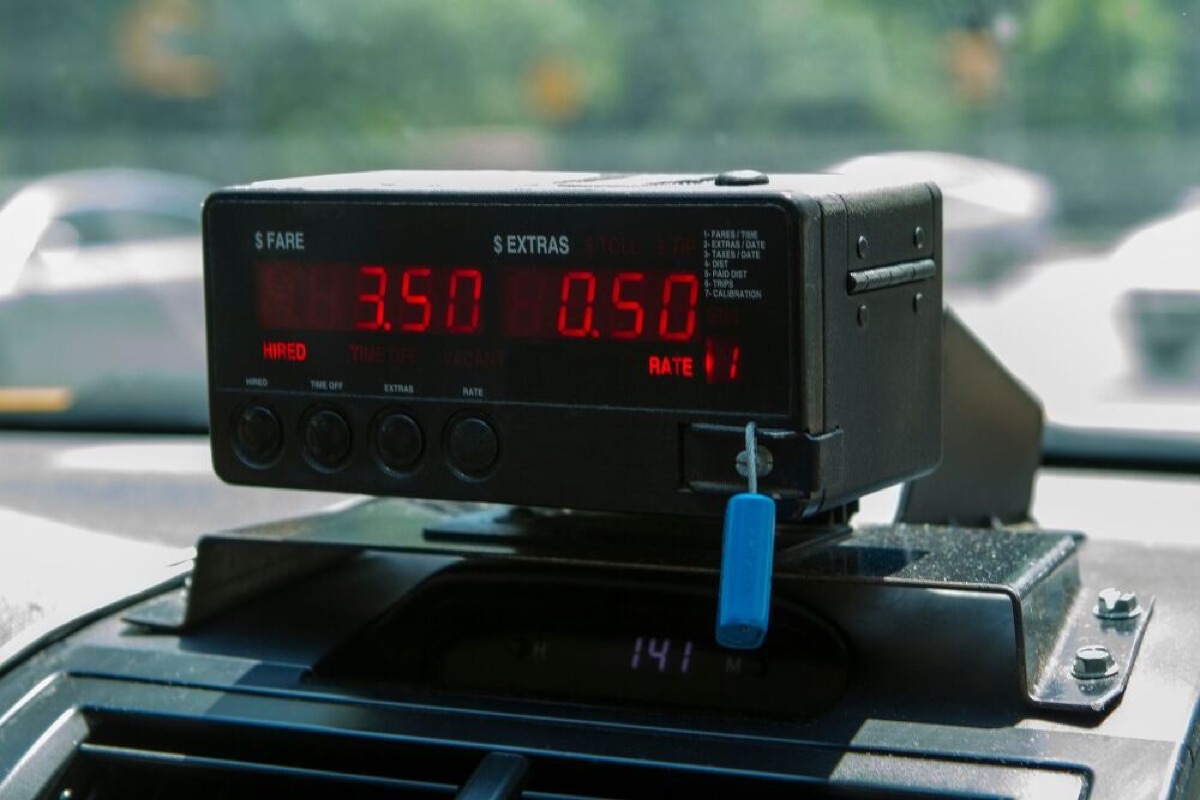
Passengers should be wary of taxis that do not use meters, as drivers may demand an unreasonably high fare. Fake Uber drivers also target travelers in busy cruise ports. The safest option is to use official taxi stands or book transportation through trusted apps.
9. The Fake Resort Pass Scam
In certain destinations, taxi drivers have been known to sell fake all-inclusive resort passes at a "discount." Upon arrival, travelers discover their tickets are invalid. It is always safer to book tickets directly from the resort or an official website.
Onboard Cruise Ship Scams
10. The Room Key Theft Scam
While rare, there have been reports of key cards being stolen from cabin door envelopes on embarkation day. Scammers use the stolen cards to make onboard purchases before the passenger realizes their card is missing. Checking account charges regularly can help identify unauthorized transactions early.
11. Fake Cruise Line Phone Calls
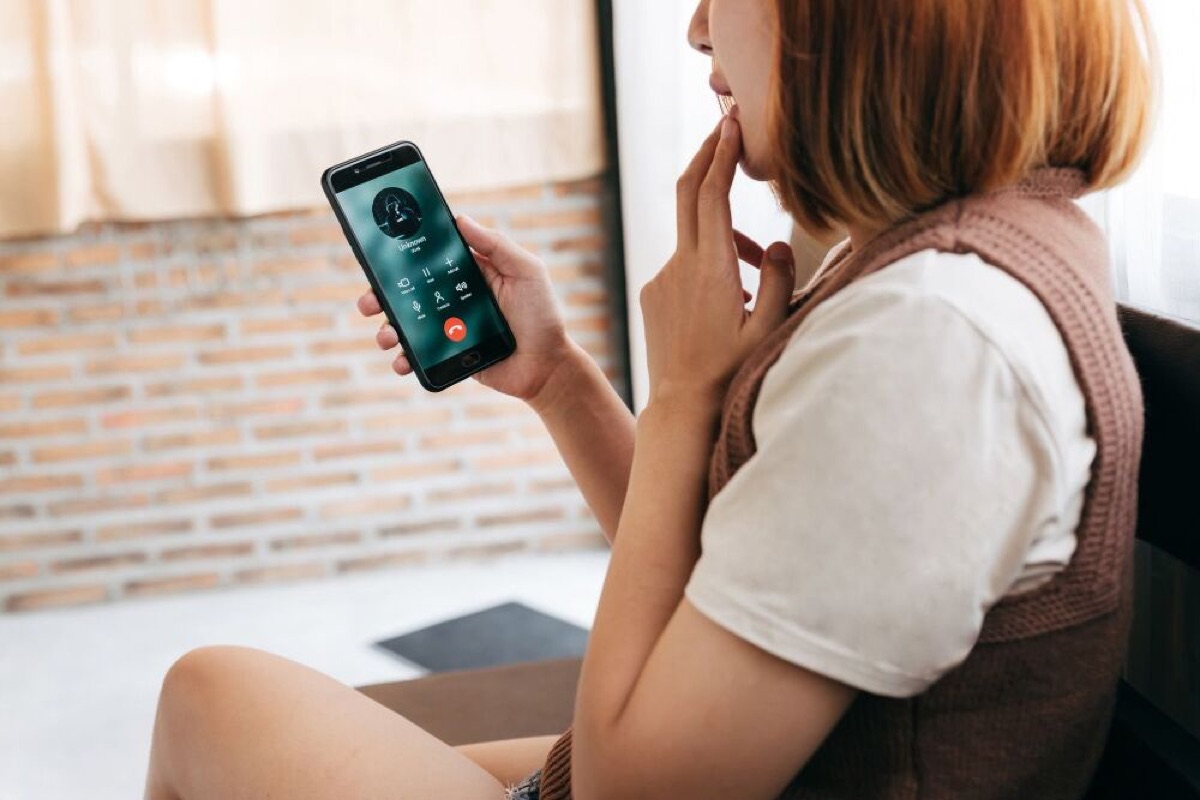
As embarkation day approaches, scammers create fake cruise line websites and phone numbers. Unsuspecting travelers who search online for cruise line customer service may call a fake number, where they are told they must pay additional “docking fees” or “embarkation time change fees.” Cruise lines do not charge such fees, so passengers should verify contact information through official sources.
AI-Generated Scams on YouTube
12. Fake Travel News Videos
Recently, AI-generated videos have spread false travel information, including misleading updates about carry-on size restrictions. These clickbait videos often feature fake or stolen content and mislead viewers. It is essential to verify travel information directly with cruise lines or official travel websites.
How to Stay Safe from Cruise Travel Scams
While cruise scams can be alarming, travelers can take steps to protect themselves:
- Book Cruises Directly – Always book through the official cruise line or a reputable travel agency.
- Verify Websites – Check for official government websites when applying for visas or travel documents.
- Be Wary of Online Transactions – Avoid sending money to strangers in social media groups.
- Use Secure Payment Methods – Always pay with a credit card for added protection.
- Stay Alert in Cruise Ports – Be cautious of overly friendly strangers offering free items, photos, or deals that seem too good to be true.
By staying informed and cautious, cruise passengers can enjoy their vacations without falling victim to scams. Have you encountered any cruise scams? Share your experiences in the comments below!
Pin this post for later: